Exploring the Foundations of Male Dietary Well-being

Discover the essential knowledge about nutrition, dietary components, and their roles in supporting overall health and daily functioning. This educational resource explains how different foods, nutrients, and lifestyle practices contribute to a balanced approach to well-being.

Discover Key Insights


Healthy fresh foods and ingredients

Understanding Macronutrients

Macronutrients—carbohydrates, proteins, and fats—form the foundation of daily nutrition. Each plays a distinct role in energy production, muscle maintenance, hormone regulation, and numerous metabolic functions.

The Three Essential Macronutrients

Carbohydrates serve as the primary energy source for the body, particularly for physical activity and cognitive function. They are found in whole grains, fruits, vegetables, and legumes.

Proteins are vital for building and repairing tissues, producing enzymes, and maintaining muscle mass. Rich sources include lean meats, fish, eggs, legumes, nuts, and dairy products.

Fats are essential for hormone production, nutrient absorption, and brain health. Healthy sources include olive oil, avocados, fatty fish, nuts, and seeds.

Expand Your Knowledge
Balanced macronutrients composition

The Role of Micronutrients

Micronutrients—vitamins and minerals—are required in smaller quantities but are crucial for countless bodily functions, from immune support to bone health and metabolic processes.

Essential Vitamins

Vitamins support immune function, energy metabolism, and tissue repair. B vitamins assist with energy production; vitamin D supports bone health and calcium absorption; vitamin E acts as an antioxidant. Sources include vegetables, fruits, whole grains, and fortified foods.

Important Minerals

Minerals like iron, zinc, magnesium, and potassium are vital for oxygen transport, immune function, muscle contraction, and cardiovascular health. They are found in leafy greens, nuts, seeds, legumes, and animal products.

Key Food Groups for Men

A varied diet incorporating multiple food groups ensures a comprehensive intake of essential nutrients. Each group contributes unique benefits to overall health and sustained energy levels.

Fresh leafy greens and vegetables

Leafy Greens & Vegetables

Rich in vitamins, minerals, and fiber, leafy greens like spinach, kale, and broccoli support digestive health, energy metabolism, and overall nutritional balance. They are low in calories yet nutrient-dense.

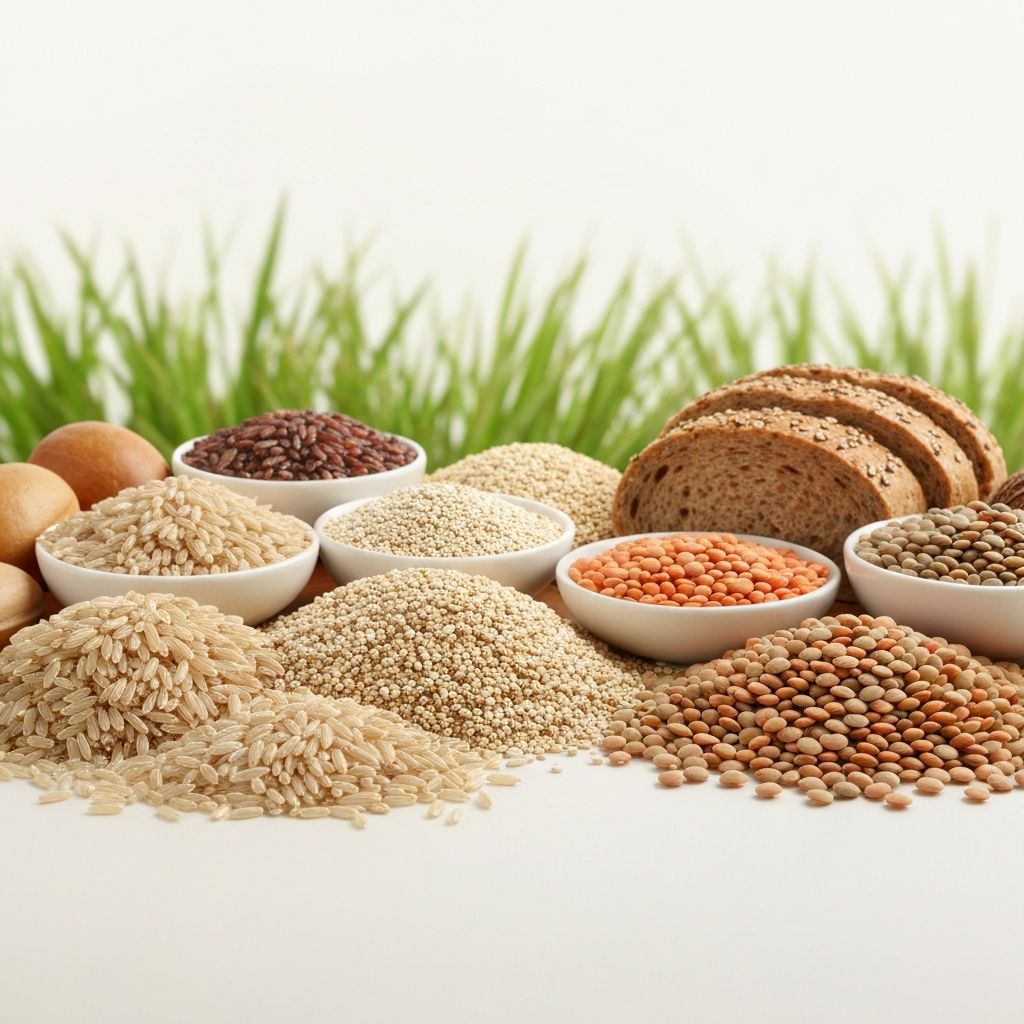
Whole grains and legumes

Whole Grains & Legumes

Whole grains and legumes provide sustained energy through complex carbohydrates, protein, and fiber. They support digestive health and stable blood sugar levels throughout the day.

Lean proteins and healthy fats

Lean Proteins & Healthy Fats

Proteins from fish, poultry, eggs, and legumes support muscle maintenance. Healthy fats from sources like olive oil and nuts provide essential fatty acids and support brain health.

Learn About Food Groups

Hydration and Overall Health

Water is fundamental to all bodily functions. It regulates body temperature, transports nutrients, aids digestion, and supports cognitive performance.

Adequate hydration ensures proper metabolism, joint lubrication, and toxin elimination. Daily fluid needs vary based on activity level and climate, but general guidelines suggest consistent water intake throughout the day as a foundational practice.

Beyond water, hydration can be supported through beverages like herbal tea and water-rich foods such as fruits and vegetables.

Discover Insights
Balanced hydration and nutrition

Debunking Common Dietary Myths

Nutrition is subject to widespread misconceptions. Understanding evidence-based information helps clarify common misunderstandings and supports informed decision-making about dietary practices.

Myth vs reality in nutrition

Separating Fact from Fiction

Many popular dietary claims lack scientific support. For example, eliminating entire macronutrient groups is often unnecessary—balanced consumption of carbohydrates, proteins, and fats supports overall function.

Similarly, the idea that certain foods are "superfoods" with miraculous properties oversimplifies nutrition. All whole foods contribute to health as part of a varied diet.

Understanding nutritional science helps filter through conflicting information and develop sustainable, evidence-based approaches to eating.

Explore Concepts

Building a Balanced Plate

Practical meal construction ensures nutritional completeness. A balanced plate typically includes vegetables, whole grains, and a protein source in appropriate proportions.

Balanced plate example

Practical Composition Guidelines

A general framework suggests filling half the plate with vegetables, one quarter with whole grains or starchy vegetables, and one quarter with a protein source. This approach provides diverse nutrients, sustained energy, and satiety.

Incorporating healthy fats—such as olive oil, nuts, or avocado—enhances nutrient absorption and supports nutrient density without excessive calories.

Variety within these categories ensures a comprehensive micronutrient intake and prevents dietary monotony.

Read Further

Incorporating Physical Activity

Diet and physical activity work synergistically to support overall health and daily function. Regular movement complements nutritional practices, enhancing energy levels, metabolic function, and general well-being.

Physical activity ranges from moderate practices like walking and yoga to more vigorous exercise. Consistency matters more than intensity—regular, sustainable activity supports long-term health.

Combining balanced nutrition with regular physical activity creates a comprehensive approach to supporting bodily function and sustained energy throughout daily life.

Deepen Your Understanding
Person doing physical activity

Sleep and Nutritional Impact

Sleep quality and nutritional practices are interconnected. Adequate sleep supports metabolic function and hormonal balance, while certain dietary patterns influence sleep quality.

Nutrition's Role in Sleep

Certain nutrients support restful sleep. Magnesium aids relaxation; complex carbohydrates support serotonin production. Timing of meals matters—heavy meals close to bedtime may interfere with sleep quality, while balanced evening meals support stable sleep.

Sleep's Impact on Nutrition

Quality sleep supports hormonal balance, appetite regulation, and metabolic function. Poor sleep often correlates with less healthy food choices and altered eating patterns, highlighting the bidirectional relationship between sleep and nutrition.

Mindful eating practice

Mindful Eating Practices

Mindful eating emphasizes awareness, appreciation, and attunement to hunger signals. It involves eating slowly, appreciating food qualities, and responding to internal hunger cues rather than external triggers.

This approach fosters a healthier relationship with food, enhances satisfaction, and supports better digestive function. Mindfulness practices can be integrated into daily eating habits without restrictive rules.

Paying attention to food choices and eating experiences contributes to both nutritional awareness and overall well-being.

Learn About Mindfulness

Seasonal Food Choices

Choosing seasonal produce offers nutritional, environmental, and practical advantages. Seasonal foods are typically fresher, more flavorful, and more nutrient-dense than out-of-season alternatives.

Seasonal fresh produce

Benefits of Seasonal Eating

Seasonal produce peaks in nutritional value and flavor at harvest time. Local, seasonal foods reduce environmental impact and often support local food systems.

Varying foods with seasons naturally creates dietary diversity, exposing you to different nutrients throughout the year and preventing dietary monotony.

Eating seasonally also tends to be more economical, as peak-season produce is typically more affordable than imported, out-of-season options.

Explore More

Educational Content Only. No Promises of Outcomes.

All information provided on this website is for educational and informational purposes only. The content is not a substitute for professional medical advice, diagnosis, or treatment. Quixom does not provide personal health recommendations or endorse specific products. Dietary and lifestyle choices vary among individuals, and what works for one person may not be suitable for another. Users are encouraged to consult with qualified healthcare professionals regarding their personal health decisions.

Continue Your Learning Journey

Explore more detailed information across our resources to deepen your understanding of nutrition, dietary components, and health-supporting practices.

Explore Concepts Discover Insights