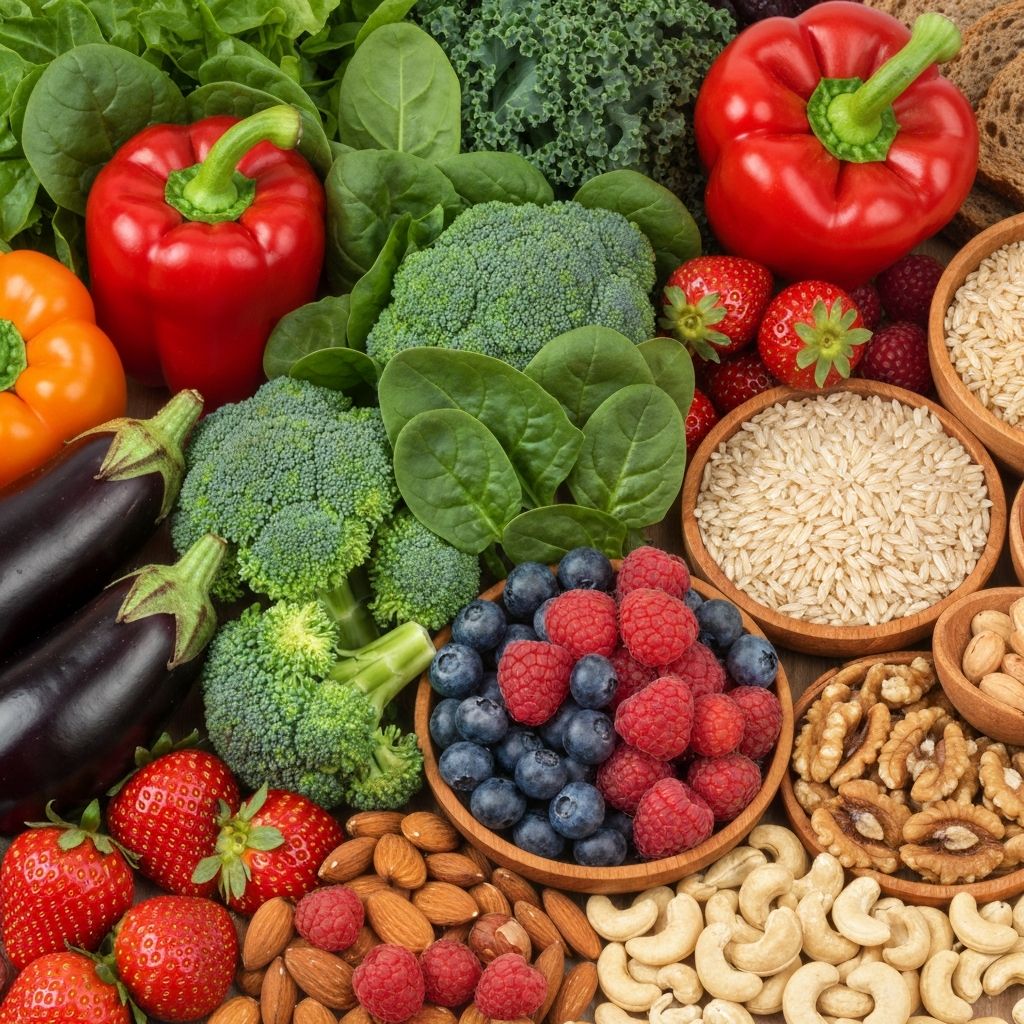
This section explores general dietary concepts, nutritional needs, and lifestyle practices relevant to men's overall health and sustained daily function. We discuss how nutrition supports energy levels, metabolic processes, and long-term well-being within a balanced lifestyle framework.
Discover Key Insights


Metabolism encompasses all chemical processes that transform food into energy and support bodily functions. Men typically have higher metabolic rates and greater muscle mass compared to other demographics, which influences overall energy requirements and nutritional needs.
Daily metabolic rate depends on factors including age, activity level, muscle mass, and genetics. Protein intake becomes particularly important as it supports muscle maintenance and recovery, especially for those engaged in regular physical activity.
Adequate carbohydrate intake fuels physical activity and cognitive function, while healthy fats support hormonal balance and nutrient absorption. A balanced approach to all macronutrient categories optimizes metabolic health.
Regular physical activity, adequate sleep, and consistent hydration all influence metabolic efficiency and daily energy levels.
Expand Your Knowledge
While individual nutritional needs vary, certain nutrients warrant particular attention for men seeking to maintain optimal function and energy levels throughout daily life and physical activities.
Protein supports muscle repair and maintenance, especially important for those engaged in regular activity. Diverse protein sources—including fish, poultry, eggs, legumes, and plant-based options—each contribute unique nutritional profiles and micronutrients alongside protein.
Vitamins and minerals support energy metabolism, immune function, and overall daily performance. B vitamins facilitate energy production; iron supports oxygen transport; zinc contributes to immune function. Varied whole foods naturally provide these micronutrients.
Proper hydration supports physical performance, cognitive function, and metabolic efficiency. Water needs increase with activity level and environmental factors. Consistent fluid intake throughout the day maintains optimal function without specific health claims.
Strategic meal composition ensures comprehensive nutrient intake and sustained energy levels. Combining varied foods creates meals that provide multiple micronutrients and macronutrients simultaneously.
For example, combining lean proteins with whole grains and colorful vegetables provides protein for muscle maintenance, complex carbohydrates for sustained energy, and micronutrients from plant sources. Adding healthy fats enhances nutrient absorption and satiety.
This approach supports daily energy needs, sustained performance, and overall nutritional adequacy without requiring complicated meal planning or restrictive practices.
Learn About Food Groups
Sustainable dietary practices integrate naturally with other health-supporting behaviors. Diet, physical activity, sleep, and stress management work synergistically to support overall function and well-being.
Regular movement—from walking to structured exercise—complements balanced nutrition. Activity levels influence caloric and nutrient needs, making consistent physical activity and appropriate nutrition mutually supportive.
Adequate sleep supports metabolic function, hormonal balance, and appetite regulation. Sleep and nutrition influence each other bidirectionally, with both playing roles in daily energy levels and overall function.
Chronic stress can affect eating patterns and metabolism. Mindful eating practices, regular activity, and adequate nutrition all support resilience to daily stressors and sustained well-being.
Adopting balanced dietary practices need not be complicated. Simple principles—eating varied whole foods, staying hydrated, incorporating regular activity, and paying attention to hunger signals—create a sustainable foundation for supporting daily function and health.
Nutritional needs, food preferences, and lifestyle factors vary significantly among individuals. This educational content presents general nutritional information applicable within diverse contexts. Personal circumstances, health status, and individual preferences should always guide personal dietary choices in consultation with appropriate healthcare providers when needed.